What is Dry Eye?
Dry Eye Disease, or Dry Eye, is a common problem with the tears in your eyes. It occurs when you don’t make enough tears, or when your tears dry up too fast. The front of your eye can then become dry and feel uncomfortable.
Tears help to keep your eyes feeling smooth, comfortable and clear. If your tears aren’t working properly, your eyes might feel dry, sore or gritty. Your eyes may also start to water or run. This might surprise you as you have ‘Dry Eye’, but watery eyes are a result of your eye making extra tears when they get irritated, to try to protect themselves.
Dry Eye is often a long-lasting problem. This means it may not go away quickly, and you may need to look after your eyes regularly to keep them feeling comfortable.
The tear film: your eye’s natural moisture layer
The front of your eye is covered by a thin layer of tears called the tear film. Think of it like a smooth, protective coating. For your eyes to feel comfortable, this tear film needs to stay balanced every day. It’s made up of three layers:

- Lipid (oily) layer
- The top layer. It stops your tears from drying out too quickly.
- Aqueous (water) layer
- The middle layer, and usually the thickest. It keeps your eye moist, washes away dust, and helps nourish the front of your eye.
- Mucin layer
- The inner layer, closest to your eye. It holds the tears to your eye and helps them spread out evenly.
Dry Eye happens when something changes in these layers. This makes your tears dry up faster, or makes the front of your eye irritated.
Small oil glands in your eyelids make the oil layer of your tear film. If these glands get blocked, your tears become less stable and your Dry Eye symptoms can get worse.
Common symptoms of Dry Eye
- Dryness
- A gritty or sandy feeling
- Burning or stinging
- Soreness
- Watery eyes
- Blurry vision with blinks
- Tired eyes
- Eyes that feel worse later in the day
- Discomfort when reading, driving or using screens
- Contact lenses feeling less comfortable
What causes Dry Eye?
Lots of things can cause Dry Eye. Some of these you can change, and some you can’t.
Common causes include:
- Getting older
- Being of Asian background
- Being female
- Spending a lot of time on phones, tablets or computers
- Air conditioning, fans, central heating or dry air
- Windy or smoky places
- Wearing contact lenses
- Not blinking fully or often enough
- Some eye surgeries
- Some medicines, including antihistamines (allergy medicine)
- Changes in hormones
- Problems with your eyelids or the oil glands in them
- Health conditions such as diabetes and Sjögren’s Syndrome
Two of the biggest causes of Dry Eye are Blepharitis and Meibomian Gland Dysfunction. Together, these cause around 80% of all Dry Eye cases.
Blepharitis often happens when too much natural bacteria builds up along your eyelid edge and eyelashes. Meibomian Gland Dysfunction happens when the amount or quality of oil from your eyelid glands changes. Both of these can make your tears dry up faster and cause irritation on the surface of your eyes.
How to manage Dry Eye
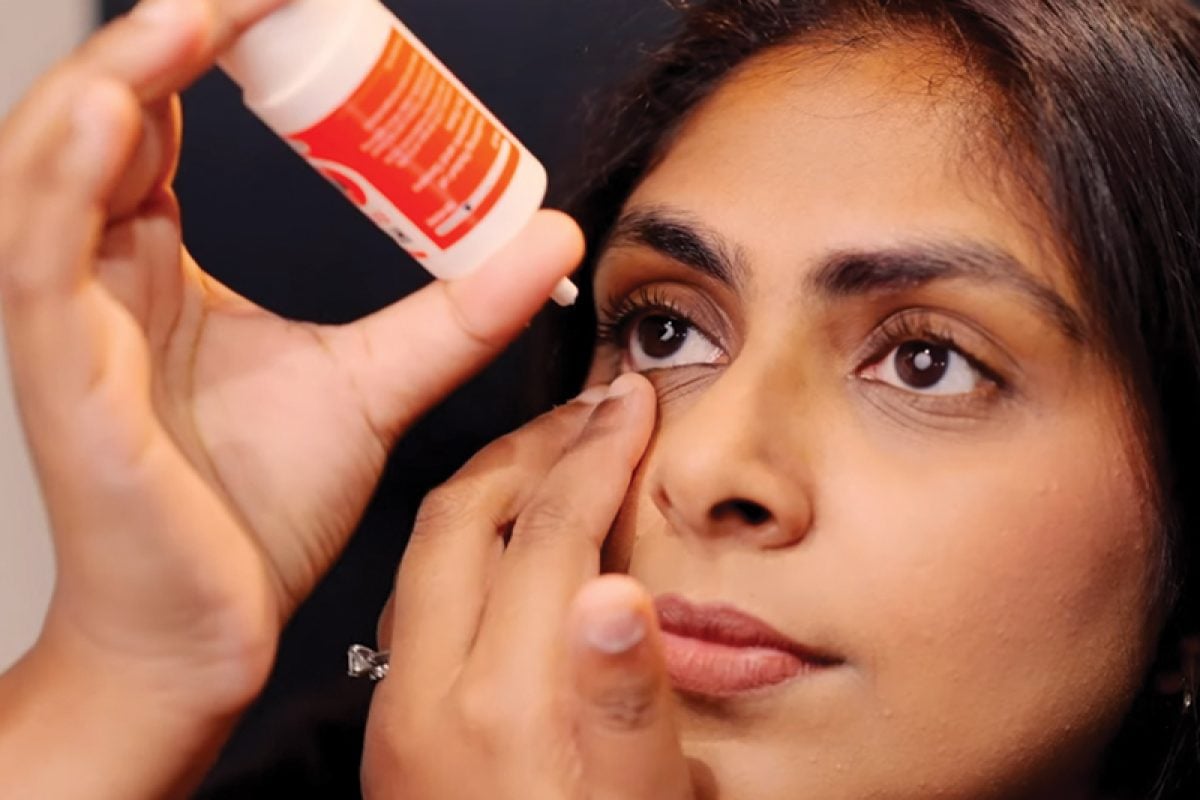
The best way to manage Dry Eye is to deal with what’s causing it. This can be different for each person. You’ll get the best results by following a regular routine, rather than only treating your eyes now and then. Here are four simple steps you can build into your day.
Other advice
Sometimes your eye care professional may prescribe medicine or other treatments, depending on what’s causing your Dry Eye and how bad it is.
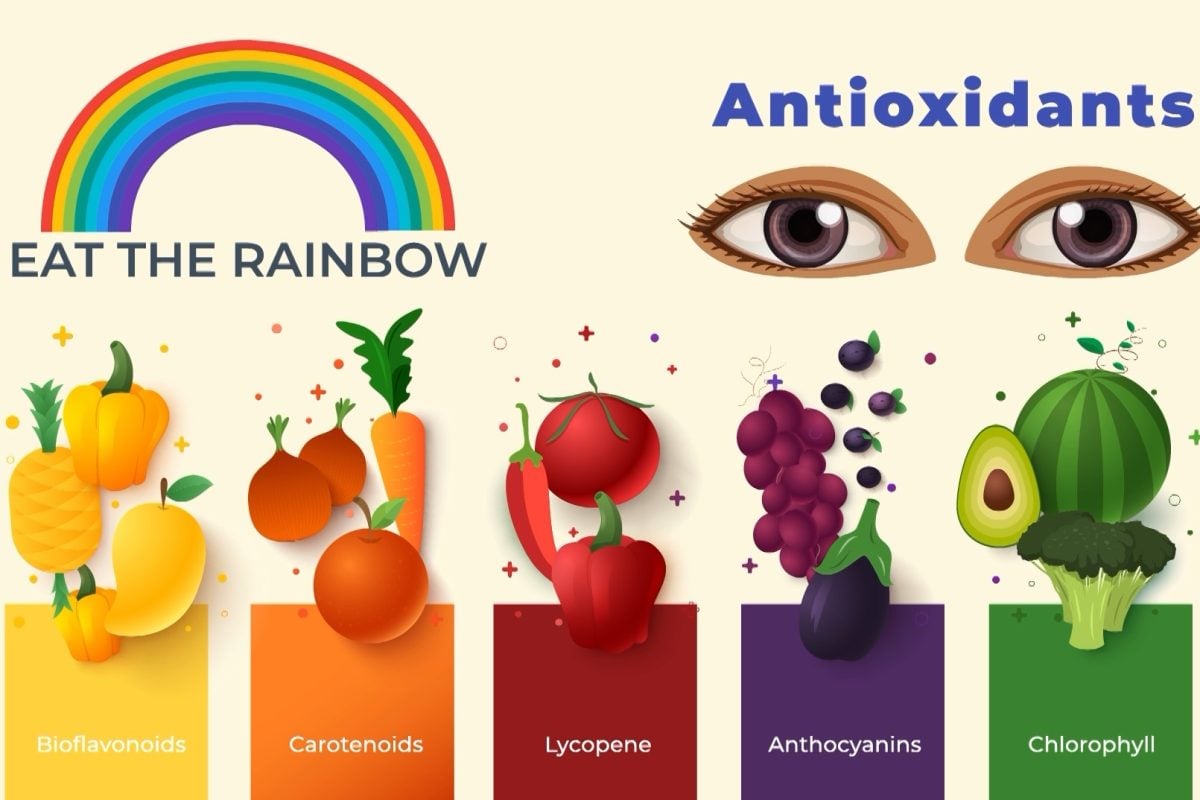
There are also lifestyle changes that can help ease your symptoms:
- Take regular breaks from screens
- Try to blink fully and often
- Drink plenty of water
- Remove eye make-up with a preservative-free remover made for eyes
- Stay away from direct air from fans, car vents, air conditioning and heaters
- Keep up your routine, even once your symptoms improve
When should you get help?
Contact your eye care professional if your symptoms aren’t improving, if your eyes feel more uncomfortable, or if you’re not sure which treatment is right for you.
Get urgent help
- Seek urgent help if you have severe eye pain.
- Seek urgent help if you have a very red eye.
- Seek urgent help if you notice a sudden change in vision.
- Seek urgent help if light becomes very painful.
Dry Eye is often a long-lasting condition, but with the right routine, it can usually be well managed. Small daily habits can make a big difference to how comfortable your eyes feel and how well you see.
Need a bit more support?
If you have a question about looking after your eyes, or you would like help choosing a routine, our customer care team is here to help.
This information should not replace advice that your eye care professional or other relevant health professional gives you.